NEWS & BLOG

Breaking news and resources from across the industry.

MBAKS Blogs:
Homeowners
  • Removing the mystery behind contractor markups

    by User Not Found | Aug 15, 2021

    Q: I’ve been planning a major add-on to my home and have reviewed estimates from several contractors. I noticed that the markup varies a lot from bid to bid. What gives?

    A: Markup is what a company charges for overhead and profit above the cost of the actual work. As cost-plus contracts become more common, markup is a hot topic among homeowners. Is high markup a sign of greed or of an honest contractor? Should you select contractors based on their markup?

    To answer these questions, let’s start by reviewing some key points about contracts in general.

    Fixed-price vs. cost-plus contracts

    Traditionally, fixed-price contracts were the industry standard. Fixed-price is a great idea in principle, but has drawbacks. Most remodeling projects do not start with the level of detail needed for an accurate fixed price. Remodels can be unpredictable and changes throughout the process are normal. In fact, they’re so common that the final price deviating greatly from the initial estimate is almost a cliche.

    Plus, with a fixed-price contract, contractors do not have to disclose markup. (Just for the record, remodels tend to have a higher markup compared to commercial and new-construction projects.)

    With cost-plus contracts and open-book companies — where receipts are provided to the client to show proof of invoice — clients are now seeing the once-invisible markup.

    So why does each bid have a different markup?

    The short answer is that every company and every project is different, and one set markup amount does not work for every remodel. When setting the markup, the contractor has to weigh several factors: How much work is required to complete the project? How many materials and subcontractors will be needed? How much will overhead cost?

    Markup can also appear higher or lower depending on the way it is disclosed. And two bids for the same scope of work can end up with the same price, even with different markup approaches. 

    Many articles have been written about the sheer variety of markups from contractor and homeowner perspectives — just do a Google search to see what I mean.

    Want to know more? Just ask

    The most effective way of finding out a company’s rationale for markup is by simply asking them. For open-book companies, transparency is part of their brand, and they should give you a straight answer. Happy clients are good for business, so most remodeling companies don’t add markup out of greed or malice.

    Should you consider markup when comparing contractor bids? Yes. It should be a factor, right along with clear communication, level of craftsmanship and the size of the company. If you have three differently priced bids, have a conversation about markup with each contractor.

    Whatever you do, don’t select a contractor based solely on markup. Like choosing a contractor based solely on the cheapest estimate, betting your whole project on one factor is never a good strategy.

    Nathan Coons is the founder of Coons Construction, a member of the Master Builders Association of King and Snohomish Counties (MBAKS). If you have a home improvement, remodeling or residential homebuilding question you’d like answered by one of the MBAKS’s more than 2,700 members, write to homework@mbaks.com.

     
    Nathan Coons
  • Building in the Time of Wildfires

    by User Not Found | Aug 12, 2021

    Author: Nina Olivier, Built Green Coordinator

    Between extreme heat and drought across the entire Western U.S. the annual wildfire season has arrived early in the Pacific Northwest. Climatologists warn that as climate change progresses this trend will continue into the future with increased likelihood of longer and drier wildfire seasons.

    During the construction phase of any project, there are strategies that can be implemented to keep the build site and staff safe and healthy during wildfire season.

    Builder with protective mask

    Worker Safety

    Naturally, outdoor workers – including those who respond to wildfires – are most impacted, both directly (from the fires themselves) and indirectly (from smoke and fine, airborne particles dispersed by the fires). The Washington State Department of Labor and Industries has approved an emergency rule to protect workers from wildfire smoke.

    When it comes to protecting workers on job sites from hazards caused by wildfires, there are several strategies employers can implement.

    Preventing Damage During Construction

    With the expansion of the Urban Growth Areas and residential construction into previously undeveloped forests and wildlands, build sites are increasingly at risk from wildfires. Known as wildland-urban interface areas (WUI), these areas are where houses are in, or near highly flammable wildland vegetation.

    There are fire prevention construction strategies builders can prioritize in WUIs to prevent starting a wildfire and ensuring the safety of their project and staff from risks associated with wildfires.

    • Prepare a hazard and risk assessment to determine the wildfire fuels, weather, topography, assets at risk, and the wildfire occurrence.
    • Create a defensible space that acts as an area around a home in which vegetation, debris, and other type of combustible fuels have been treated, cleared, or reduced.
    • Ensure access roads and driveways are wide and strong enough to accommodate emergency vehicles and provide access for necessary firefighting efforts.
    • Strictly enforcing no smoking policies
    • Restrict the use of space heaters in high-risk areas
    • Properly training workers on safe work practices and fire prevention
    • Storing combustible materials away from buildings that are under construction
    • Placing fire extinguishers at individual work areas and ensuring workers know how to operate them
    • Avoid starting vehicles and heavy equipment on top of dry vegetation

    Building with metal shingle roof, stucco walls and plastic windows

    Building Design

    Addressing the impacts of wildfires and the smoke they produce in Built Green projects during the design phase, rather than at the end, will go a long way in providing better indoor air quality, protection and resiliency from house fires, and higher value for buyers.

    In fact, many insurance companies offer discounts and rebates to clients with fire-safety features that have been pre-built and installed into the building further increasing the home’s value.

    • Select a development site that considers topographic features such as slopes, canyons, local vegetation, and weather that influence wildfire behavior.
    • Keep garages detached from the main home as they are often ignition sites that can impact the main housing unit.
    • Exterior Walls:
      • Use siding materials that are noncombustible or fire-resistant and not susceptible to melting are recommended such as three-coat stucco, shale, metal, and fiber cement siding. A minimum fire-resistance rating of 1 hour for the wall assembly is recommended.
      • Use structural insulated panels (SIPs) or Insulated Concrete Forms (ICFs) that have superior fire suppression properties to conventional stick frame construction.
    • Roof:
      • Install Class A rated roof assemblies with noncombustible coverings using metal, slate, tile or clay.
      • Install eaves with short overhangs and flat soffits with a minimum of a 1-hour fire resistance rating.
      • Install leaf guards over gutters to prevent leaf debris from collecting in the primary ignition zone.
    • Vents that are a minimum of 10 feet from property lines and other buildings, constructed of metal products, and have corrosive-resistant metal mesh screens are recommended.
    • Windows and all other glazing should be fire rated or triple-pane with at least one layer of tempered glass.
    • Avoid materials containing PVC or Vinyl that produce toxic fumes when they melt or burn that are dangerous to residents and firefighters.
    • Decks:
      • If building a wooden deck use exterior grade fire-retardant-treated wood lumber, do not use Ipe/Ironwood or any other endangered tropical wood species. Add metal sheathing around the base timbers.
      • If using a composite decking material specify a Class A or B fire rating, but avoid composites that contain PVC, which produce very toxic fumes when they burn.
      • Install metal screening around the crawlspace beneath the deck to keep fire embers out.
      • Increase the defensible space of the home by building a stone, paver, or concrete patio, instead of a deck.
    • Fences and walls constructed of noncombustible materials such as concrete, stone, and masonry are recommended. Attaching a fence or wall to the building should be avoided unless the fence or wall is constructed of noncombustible materials.
    ICF Wall from ICF Homes of Virginia
    Defensible space zones from ReadyForWildfire.org

    For more information visit FEMA’s website.


    Diagrams produced by ICF Homes of Virginia and ReadyForWildfire.org

  • Wildfire Season—Hope for the Best, Be Prepared for the Worst

    by User Not Found | Aug 03, 2021

    Author: Nina Olivier, Built Green Coordinator

    Wildfire season, and the smoke it brings, is upon us in the Pacific Northwest. Fueled by drought and climate change, these threats to the health and safety of our homes are arriving earlier each year. Fortunately, there are simple steps homeowners can take from roof to foundation to make a home safer from embers, radiant heat, and fine particulate matter.

    By September 2020, wildfires had burned over 713,000 acres in the State of Washington, resulting in the loss of 181 homes and one fatality. Research conducted by the National Fire Protection Association concluded that wildfire embers and smaller flames were the main ignition source of homes.

    Along with the destructive risks associated with wildfires, exposure to the particulate matter in its smoke also poses a significant health risk. According to the University of Washington's Department of Environmental and Occupational Health Sciences, breathing in the fine particulate matter from wildfire smoke, known as PM2.5, can contribute to respiratory, cardiovascular, and other health problems and even lead to premature death.

    Built Green recognizes the importance of providing healthy indoor air and fire safe homes for all those living in Built Green certified homes. As a result, there are numerous checklist credits dedicated to decreasing the number of pollutants and providing means for air filtration during wildfire smoke season as well as methods to minimize the likelihood of flames or surface fire touching the home or any attachments.

    Seattle in wildfire smoke

    Below is a list of preventative actions you can take to protect your family and your home during the annual wildfire season.

    Roofs and Gutters

    Strategies to limit your home's ability to act as a fuel source include:

    • Clean roofs and gutters of dead leaves, debris and pine needles that could ignite from air-borne embers.
    • Replace or repair any loose or missing shingles or roof tiles to prevent ember penetration.
    • If you are replacing your roof, install a Class A slate or metal roof.
    • Install 1/8-inch metal mesh screening to reduce embers that could pass through vents in the eaves and attics.

    Clearing dead leaves from gutters

    Windows and Doors

    Indoor Air Quality

    • Invest in a high quality portable air cleaner as recommended by the EPA.
    • Upgrade the air filter in your furnace or central heating, ventilation, and air-conditioning (HVAC) systems and use them to recirculate and filter the air inside your home.
    • Attach a MERV 13 or FPR 10 filter to the back of a box fan to create an additional air filter.
    • Increase your home's humidity to help remove small particulate matter in the air using portable humidifiers.
    • Avoid activities that create fine particles indoors such as smoking, cooking, burning candles, and spraying aerosol products.

    Decks and Porches

    • Treat existing wood decks against fire with a flame retardant spray; do not replace them with endangered tropical woods like Ipe or ironwood.
    • Add metal sheathing around the base timbers.
    • Replace any decaying timber boards.
    • Install metal screening around the crawlspace beneath the deck to keep fire embers out.
    • Consider building a deck with composite materials with Class A or B fire ratings, but avoid composites that contain PVC, which produce very toxic fumes when they burn.
    • Remove anything stored underneath decks or porches.
    • Store away all furniture cushions, mats, potted plants, and decorations to avoid them catching embers and igniting.
    • Remove the deck as a source of ignition by instead building a stone, paver, or concrete patio.

    Landscaping

    • Map out your home's ignition zones and take actions to decrease the ignition risks in the immediate ignition zone that directly increase the likelihood of flames touching your home.
    • Establish defensible spaces that are maintained and designed to slow the spread of fire to and from the building, and create fire buffers around the house.
      • Plant native species that are fire resistant
      • Remove dry underbrush and unhealthy vegetation and trees.
      • Mow tall or dry grass areas and discard the clippings.
      • Trim back tree limbs that hang over or encroach on your home's immediate ignition zone and deck.
    • Move any flammable material away from exterior walls – mulch, flammable plants, leaves and needles, firewood piles, grill, or fire pit propane tanks – anything that can ignite or combust.
    Home ignition zones diagram from the National Fire Protection Association
    Tree spacing diagram from the National Fire Protection Association

    Be Prepared

    In an event of an evacuation, understand and map out a safe evacuation route from your region. Prepare an emergency kit including a supply of N95 or P100 masks, water, flashlights, and first aid essentials. Continue monitoring https://www.airnow.gov/ and https://www.dnr.wa.gov/Wildfires to monitor your region's smoke index and wildfire locations.

    More information can be found on the National Fire Protection Association's Website.


    Diagrams produced by National Fire Protection Association and Colorado State University

  • Earth Advantage Partners with Built Green to Provide Certification Data for Western Washington

    by User Not Found | Jul 23, 2021

    Earth Advantage®, Inc. and Built Green® announced on July 12 a partnership to deliver green and energy-efficient home data through the Green Building Registry® (GBR).

    Historically, important information on a home such as energy ratings, third-party building certifications, or solar electricity generation has not made it into for sale listings. Thousands of dollars of value may have been lost because trustworthy data was not available for listing agents, appraisers, and potential buyers to react to at the time of sale. That lack of data has prevented appraisers and lending institutions from accounting for those market reactions.

    Built Green house with informational sign

    Since 2017, GBR has provided green home data to the public and real estate multiple listing services. The SaaS (Software as a Service) platform provides verified data directly from sources such as the U.S. Department of Energy’s Home Energy Score program, LEED® for Homes, National Green Building Standard (NGBS) Green Certified program, HERS® Index Scores, and other third-party verification programs. Single-family and multifamily home performance data from Built Green for the Western Washington region, will now also be included in GBR. Built Green certified homes must meet a comprehensive, holistic set of green criteria and they must be at least 10 percent more energy efficient than the Washington state code to earn a Star level rating. The Emerald Star level, the highest level of certification under Built Green, requires Net Zero Energy use- where the home produces as much energy as it uses on an annual basis – and at least a 70% reduction in water use. In 2019, 73% of all newly constructed single-family homes in Seattle were Built Green certified.

    “We’re thrilled to partner with Green Building Registry to ensure our real estate and home buying community members have access to this important Built Green information,” said Sonja O’Claire, Built Green Program Manager. “Our builders and verifiers put in an immense amount of work to ensure their Built Green certified homes are as eco-friendly and comfortable as possible. It’s important our community can access this data when selling, appraising, or looking for a home of their own to correctly evaluate one of the most important investments they may make.”

    David Heslam, executive director at Earth Advantage, stated, “The Built Green program has been charting the course for green home construction in Washington state for many years. By adding the Built Green certifications to the Green Building Registry, it will make those high-performance homes more visible in the marketplace. Selling agents, buyers, and even appraisers will be able to find this documentation with ease.”

    About GBR

    GBR is a single-source solution for the public and real estate industry to facilitate auto-population of verified green data into listings throughout the United States. GBR was built and is maintained by the 501(c)(3) nonprofit, Earth Advantage, Inc. Earth Advantage’s mission is to accelerate the adoption of high performance and sustainable, residential building practices. We focus on three key pathways for success: promoting green home standards, linking green home data to the real estate market, and providing professional and workforce training. Visit: the GBR website, us.greenbuildingregistry.com to learn more. For more information on Earth Advantage visit: earthadvantage.org

    About Built Green

    Built Green is a holistic green home certification program of the Master Builders Association of King and Snohomish Counties, established in partnership with King and Snohomish counties in 1999. In addition to certifying green homes, remodels, multifamily buildings, and communities, Built Green hosts a membership network of companies and individuals involved in the green building industry, conducts research, and markets the social and environmental benefits of green building. The program’s mission is to serve as the driving force for environmentally sound design, construction, and development practices in the state of Washington’s cities and communities. Since its inception, Built Green has certified nearly 40,000 housing units and over 21,000 buildings. The program has partnered with local governments and utilities to create green building incentive programs, which have helped spur uptake in the region.


    If you would like more information about this topic, please call Meg Garabrant at 503.310.9138 x62, or email meg@greenbuildingregistry.com

  • Bathroom storage options that save space, add style

    by User Not Found | Jul 23, 2021

    Seattle homework_2

    Q: We’re considering building a cellar off our kitchen for storing and displaying our wine collection but have no idea what our options are. Can you help us out?

    A:
    Sorting through all the new-and-improved storage options can be daunting. There’s a lot to consider. But the myriad choices available on the market make it easy to create a perfectly personalized master-bath retreat where there’s a place for everything, and everything has its place.

    Medicine cabinets

    First off, you’re not alone in your affection for medicine cabinets. They remain one of the most requested items for new bathrooms to this day. Far from outdated, they’re one of the easiest ways to store all the little odds and ends you need in the bathroom. You’ll find a wider range of options on the market today, from handcrafted solid-wood cabinets to more high-tech-looking aluminum versions.

    And speaking of tech, today’s medicine cabinets offer more bells and whistles than ever before. Many now come with multiple mirrors and built-in LED lighting on both sides of the cabinet doors — making morning hair, makeup and shaving routines much easier. Need to charge your toothbrush, razor or smartphone? There are medicine cabinets that offer both electrical and USB outlets right in the unit.

    “Medicine cabinets really are a fantastic storage solution for everything from medications to moisturizers,” says Judy Hedreen, the owner of Strasser, a Woodinville-based maker of bathroom vanities and other accessories. “They keep everything at eye level for easy organization with a clean look.”

    Wall-mounted vanities

    When it comes to vanities, one of today’s top-trending styles is the wall-mounted or “floating” vanity. Whether in a powder room or a large master suite, floating vanities help to create the illusion of more space, lending a modern feel that can be played up with sleek, contemporary door styles and finishes. It can also be tempered into a more transitional style with textured options that have the look of reclaimed wood.

    Seattle homework_1

    Interior designer Christopher Grubb, president of Beverly Hills, Calif.-based Arch-Interiors Design Group, suggests using wall-mounted bath vanities for children or older adults who are aging in place.

    “It doesn’t have to be a standard height. You can adjust it to whatever height is needed,” he says.

    Grubb suggests adding a strip of light underneath. “It’s a beautiful design feature that can also act as a night light.”

    Every bath project is as unique as the homeowner, so the ability to customize what works for a particular home or family is vital. Many cabinet companies offer mix-and-match elements that can be configured in a variety of ways. There are collections that offer drawer banks, cabinets, mirrors, medicine cabinets, linen towers and more in various sizes that you can arrange to suit your personal storage and decor needs.

    Storage drawers

    If your bath was built 20 years ago or more, you most likely have a lot of cabinets and perhaps a couple of small drawers. As it turns out, drawers are storage-space game-changers and are often a more efficient and convenient choice in the bathroom.

    First off, they’re more ergonomic. You pull the drawer out toward you instead of bending down on your knees to access items. Plus, drawers can be pulled all the way out, making it easier for you to see what’s inside and preventing things from getting lost in the black abyss of a cabinet.

    Drawers also maximize the use of space. You can fit a lot more stuff into multiple drawers than in one or two cabinets — especially if you organize them with dividers. Many designers will tell you that storage drawers offer a sleeker look than cabinet doors. 


    Peter Ollestad is vice president of sales for Strasser, a maker of custom, handcrafted luxury bath vanities and cabinets and a member of the Master Builders Association of King and Snohomish Counties (MBAKS). If you have a home improvement, remodeling or residential homebuilding question you’d like answered by one of MBAKS’s more than 2,600 members, write to homework@mbaks.com.

  • OFM Releases April 1 Official Population Estimates

    by User Not Found | Jul 23, 2021

    By MBAKS Senior Policy Analyst Allison Butcher

    The Office of Financial Management (OFM) has posted its annual population update, which shows continued growth in the Puget Sound region. As of April 1, 2021, King, Kitsap, Pierce, and Snohomish counties added 66,200 people. According to The Seattle Times, the Seattle metropolitan area, which includes King, Pierce, and Snohomish counties, now exceeds 4 million people.

    The Builders Bulletin is intended to provide a convenient way to track housing in our market and includes information from the Northwest Multiple Listing Service, State of the Cities Data Systems, Office of Financial Management, and the Washington State Employment Security Department.

    Download this month's report:

    August Builders Bulletin

  • 2021 Primary Endorsements

    by User Not Found | Jul 07, 2021

    Each election cycle, our Affordable Housing Council (AHC) interviews candidates at the city, county, and state levels to determine their degree of support for our industry.

    The following candidates have received an AHC endorsement for the 2021 election cycle. 

    Ballots will be mailed out Wednesday, July 14 and are due Tuesday, August 3. Your vote in support of AHC-endorsed candidates will go a long way toward affecting the outcome of these critical races. 

    2021 Affordable Housing Council Endorsements
    August 3 Primary Election
    Jurisdiction Position Candidate
    King County Council Dist. 3 Kathy Lambert
    King County Council Dist. 7 Pete von Reichbauer
    King County Council Dist. 9 Reagan Dunn
    Snohomish County Council Dist. 1 Nate Nehring (R)
    Snohomish County Council Dist. 4 Jared Mead (D)
    Snohomish County Council Dist. 5 Sam Low (R)
    Bellevue City Council Pos. 2 Conrad Lee
    Burien City Council Pos. 1 Hugo Garcia
    Burien City Council Pos. 3 Jimmy Matta
    Des Moines City Council Pos. 5 Traci Buxton
    Des Moines City Council Pos. 7 Matt Mahoney
    Renton City Council Pos. 1 James Alberson
    Renton City Council Pos. 2 Angelina Benedetti
    Snohomish City Council Pos. 7 Steve Dana
    Redmond City Council Pos. 4 Melissa Stuart
    Federal Way City Council Pos. 6 Martin Moore
    Auburn City Council Pos. 4 Yolanda Trout-Manuel
    Everett Mayor Cassie Franklin
    Everett City Council Dist. 2 Greg Lineberry
    Everett City Council Dist. 3 Don Schwab
    Everett City Council Dist. 4 Tommie Rubatino
    Everett City Council Dist. 5 Ben Zarlingo
    Mukilteo Mayor Jennifer Gregerson
    Edmonds City Council Pos. 3 Adrienne Fraley-Monillas
    Marysville City Council Pos. 4 Michael Stevens

    For dropbox locations, ballot questions, and more, visit King County Elections or Snohomish County Elections.


    No candidate authorized this ad. It is paid for by Master Builders Assc of King & Sno Counties – Affordable Housing Council, 335 116th Ave SE, Bellevue, WA 98004. Top Five Contributors: Master Builders Assoc., Huseby Homes LLC, Village Life Inc., Blackwood Builders Group, Martin Robinett

  • TC Legend 5-Star Bellevue Net Positive House

    by User Not Found | Jul 07, 2021

    Located on a portion of a subdivided family property, this 2,614 square-foot Bellevue home is a beautifully built house that helps to foster multigenerational ties and community. With Built Green 5-Star and Net Zero Energy certifications and an EPA Indoor airPLUS certification, this award-winning TC Legend home is an example of the influence and success of the Built Green program.

    Vital Stats

    Section

    Points

    Location: Bellevue
    Star Level: 5-Star, Net Zero Energy Label
    Checklist: Single-Family/Townhome New Construction
    Verifier: Ecoe Company
    Site and Water 109
    Energy Efficiency 239
    Health and Indoor Air Quality 126
    Material Efficiency 109
      Total Score 629

    With a specific focus on indoor air quality, this home employs a new ventilation and air filtration system, helping to make it a safe and comfortable environment for its occupants. The state-of-the-art fresh air system includes a Zehnder 350 HRV, Zehnder ComfoPost inline heating/cooling coil, and HEPA air filtration system. This system allows for fresh, filtered air to enter the home throughout the day and to be increased when needed, such as when the kitchen hood fan is drawing smoke out of the kitchen during cooking. This fresh air system maintains high indoor air quality by reducing particulates in the air, even when the outdoor air quality is particularly poor, such as during a summer forest fire.

    TC Legend 5-Star Bellevue Net Positive House exterior

    Built with passive and active solar needs in mind, this two-story house faces south. Triple-paned Vinvltek windows on the south side provide passive heating and natural light within the home. White interior paint also helps provide significant daylighting and reduces energy demand from the home’s LED lighting.

    The home also employs a 12.87kW photovoltaic system, producing enough power to make the home net positive and power an electric vehicle. With a shell system constructed from 6.5” SIPs walls, 10.25” SIPs roof, 4” foam under the slab-on-grade, ICF form slab-edge stemwalls, and U 0.18 average triple pane windows, this house has a tight envelope, helping to reduce energy consumption.

    TC Legend 5-Star Bellevue Net Positive House balcony view
    TC Legend 5-Star Bellevue Net Positive House wood screen
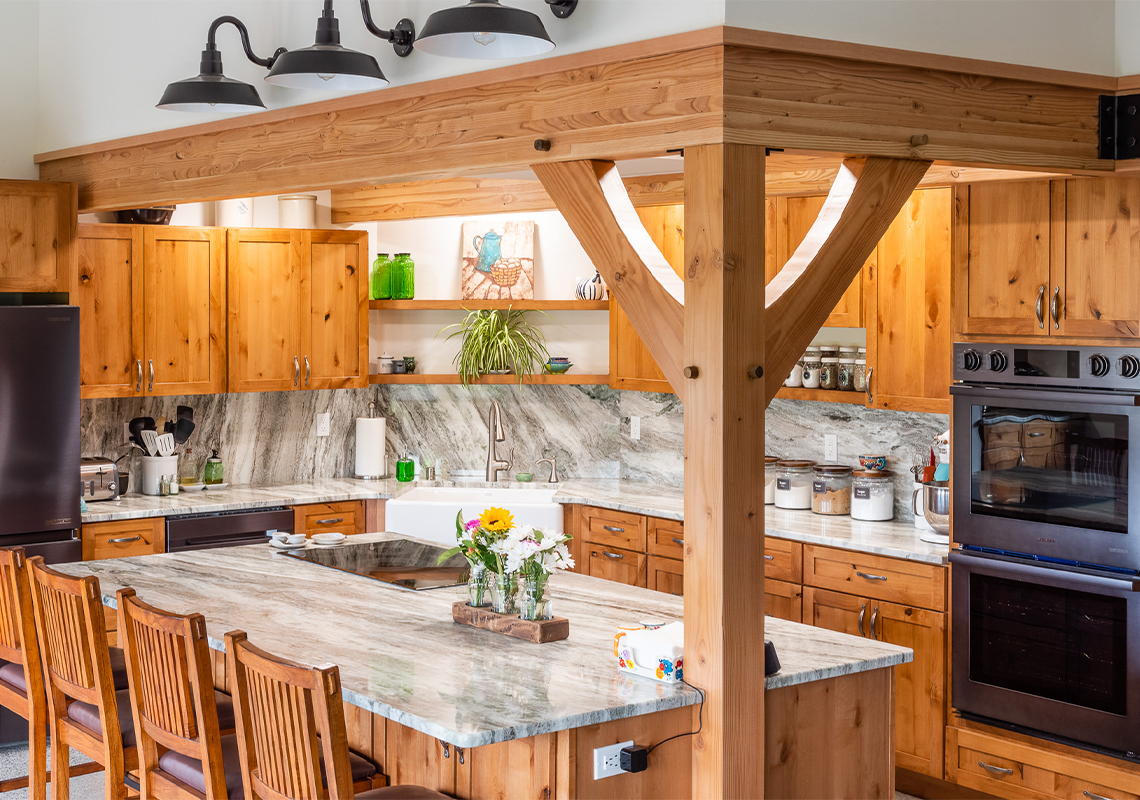
    TC Legend 5-Star Bellevue Net Positive House kitchen
     

    The three-bedroom, two bath house is meant to allow the occupants to age in place. The first floor has a kitchen, main living space, a bedroom and bathroom, and ADA-compliant doorways.

    Overall, this home is a comfortable, clean, net positive building, allowing the homeowners to be happy, healthy, and confident in the knowledge that their home is serving their needs, meets a high standard of excellence, and is protecting the environment in the process.

    TC Legend 5-Star Bellevue Net Positive House room with vaulted ceiling
    TC Legend 5-Star Bellevue Net Positive House loft space
     

    Built Green Highlights

    Site and Water

    • Long-term erosion reduction strategies in place
    • Over 70% of building site left undisturbed with preservation of exisiting trees, native vegetation, and grass landscaping
    • Stormwater infiltration system catches all stormwater from the site and the uphill grandparents’ house, mitigating flow
    • WaterSense certified low-flow fixtures and toilets
    • Rainwater collection-ready

    Energy Efficiency

    • Net-positive home with a HERS score of -22; extra power serves an electric vehicle
    • 12.87 kW roof PV array
    • Substantial envelope insulation: R-30 walls, R-49 roof, R-20 under slab, R-24 slab-edge, average U-0.18 windows
    • Triple-paned Vinyltek windows with u-values from 0.15-0.22
    • Passive heating design strategies
    • Chiltrix air-to-water heat pump for heating and domestic hot water with COP of 3.92
    • AeroBarrier air sealing and blower door results of 0.47 ACH50
    • 100% LED lighting
    • All Energy Star certified appliances
    • Energy Star certified
    • DOE Zero-Energy Ready certified
    TC Legend 5-Star Bellevue Net Positive House bathroom
    TC Legend 5-Star Bellevue Net Positive House showerhead and tile
     

    Health and Indoor Air Quality

    • Indoor AirPLUS certified
    • Solid wood cabinets with low-VOC finish
    • All low-VOC paints, adhesives, and sealants
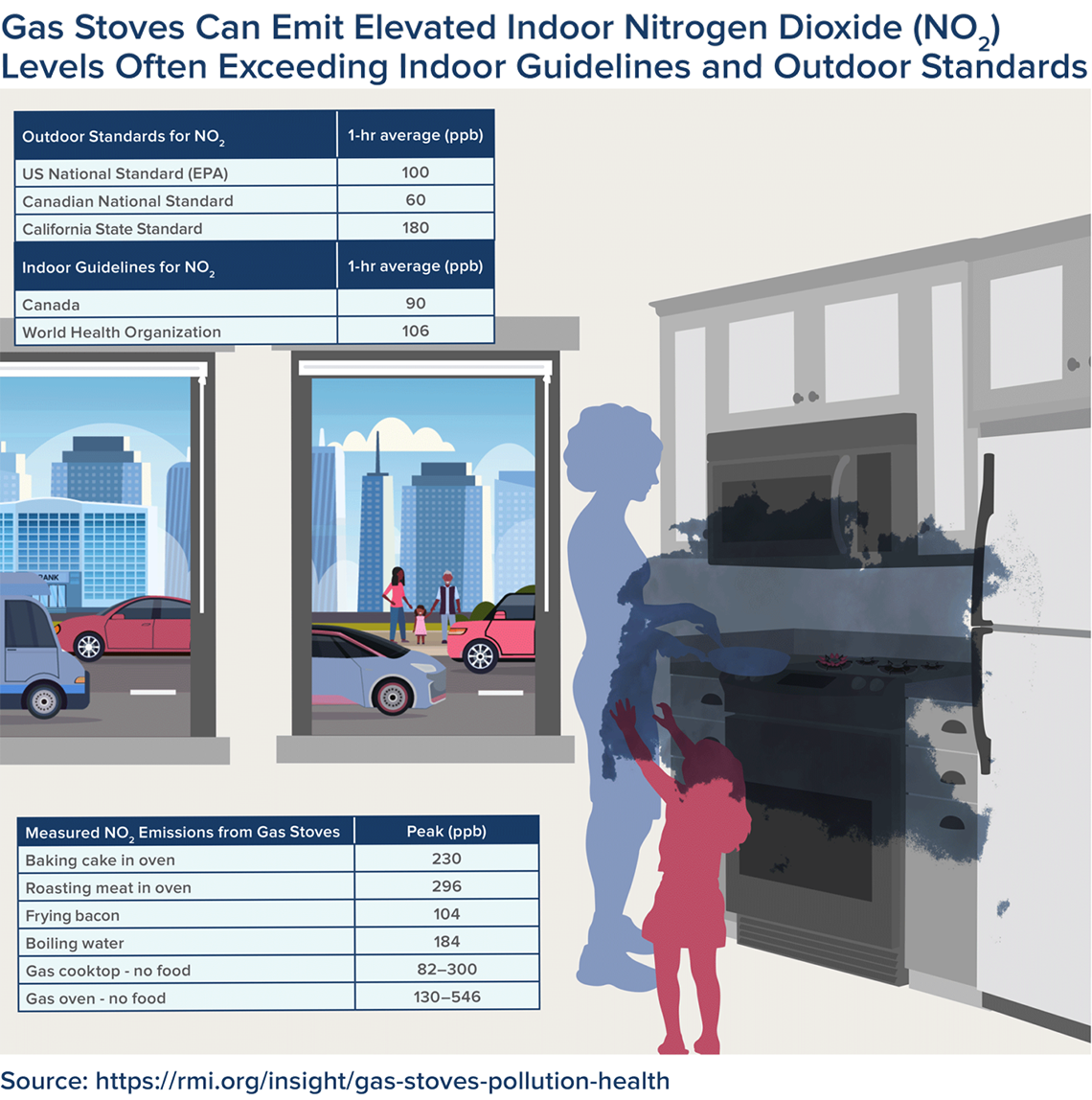
    • No gas-burning appliances in house
    • HEPA air filtration system
    • Zehnder HRV with ComfoPost

    Materials Efficiency

    • Graphite SIPs for exterior walls and ceilings
    • ICF foundation walls
    • 85%+ of waste recycled
    • Locally produced lumber, SIPs, concrete, cabinets, doors, and siding
    • Exterior cedar posts constructed from telephone pole MFG waste
    • Leftover materials moved to next job
    • Solid wood, domestically grown interior doors and trim
    • Locally produced Vinlytek windows
    TC Legend 5-Star Bellevue Net Positive House room with vaulted ceiling
    TC Legend 5-Star Bellevue Net Positive House utility room
     

    Photo credit: Zigzag Mountain Art

  • Home Prices Continue to Rise Amid Low Supply

    by User Not Found | Jun 25, 2021

    By MBAKS Senior Policy Analyst Allison Butcher

    In May, the median home price rose to $775,000 in King County and $655,000 in Snohomish County, up 23.6% and 32.86% respectively from a year ago. The low inventory of homes for sale plus high demand continues to put upward pressure on home prices.

    The Builders Bulletin is intended to provide a convenient way to track housing in our market and includes information from the Northwest Multiple Listing Service, State of the Cities Data Systems, Office of Financial Management, and the Washington State Employment Security Department.

    Download this month's report:

    June Builders Bulletin

  • Press Release: MBAKS Announces 2021 REX/T-REX Awards Winners

    by User Not Found | Jun 14, 2021

    FOR IMMEDIATE RELEASE
    Media Contact:
    Stephanie Giralmo, Public Relations & Media Manager
    Master Builders Association of King and Snohomish Counties
    p 425.457.7048

    MBAKS Announces 2021 REX/T-REX (Remodeling Excellence and Trades Remodeling Excellence) Awards Winners

    BELLEVUE, Wash.—June 12, 2021—For the 35th year in a row, the Master Builders Association of King and Snohomish Counties (MBAKS) hosted their annual Remodeling/Trades Remodeling Excellence (REX/T-REX) Awards.

    The REX / T-REX Awards, presented by the Remodelers Council of MBAKS, encourages local remodelers and builders to submit their best projects of the year. Each submission is reviewed by a panel of remodeling professionals from across the country and winners are selected in each category. The categories are as follows: Bath Excellence, Kitchen Excellence, Residential Remodel Excellence, Green Remodel Excellence, Exterior Remodel Excellence, Landscape & Outdoor Living Excellence, Get Away Room & Specialty Space Excellence, and Design Excellence.

    REX/T-REX entries were judged on the following categories:

    1. Aesthetics—How is the remodel visually appealing?
    2. Special or unique design solutions—How was the space planned and was livability considered?
    3. Quality workmanship—What are the special features of the project and is there attention to detail?
    4. Use of appropriate building material—Does the remodel complement existing structure and design?
    5. Budgetary consideration—How did the project keep within the budget and still deliver client expectations?
    6. Challenges and obstacles—Were there any unexpected obstacles that called for adjustments?
     

    2021 REX/T-REX Winners

    2021 Remodeling Excellence Winner, Bath Excellence, $35,000 to $55,000, Lakeview Design & Construction, photo courtesy Sarah Middleton
    Photo courtesy Sarah Middleton

    Bath Excellence, $35,000 to $55,000


    2021 Remodeling Excellence Winner, Bath Excellence, $55,000 to $75,000, Model Remodel, photo courtesy Cindy Apple Photography ©2021
    Photo courtesy Cindy Apple Photography ©2021

    Bath Excellence, $55,000 to $75,000


    2021 Remodeling Excellence Winner, Bath Excellence, More Than $75,000, JM Bogan Co. Inc., photo courtesy Sketchbox Images
    Photo courtesy Sketchbox Images

    Bath Excellence, More Than $75,000


    2021 Remodeling Excellence Second Place, Bath Excellence, More Than $75,000, Neil Kelly Company, photo courtesy Malia Campbell Photography
    Photo courtesy Malia Campbell Photography

    Bath Excellence, More Than $75,000


    2021 Remodeling Excellence Winner, Kitchen Excellence, Less Than $70,000, Nip Tuck Remodeling, photo courtesy John G. Wilbanks Photography
    Photo courtesy John G. Wilbanks Photography

    Kitchen Excellence, Less Than $70,000


    2021 Remodeling Excellence Winner, Kitchen Excellence, $70,000 to $90,000, Harjo Construction, photo courtesy M. Romney Photography
    Photo courtesy M. Romney Photography

    Kitchen Excellence, $70,000 to $90,000


    2021 Remodeling Excellence Winner, Kitchen Excellence, $90,000 to $125,000, Potter Construction, photo courtesy Jeff Beck ©2020
    Photo courtesy Jeff Beck ©2020

    Kitchen Excellence, $90,000 to $125,000


    2021 Remodeling Excellence Winner, Kitchen Excellence, $125,000 to $145,000, Gaspar's Construction, photo courtesy Azzura Photography ©2021
    Photo courtesy Azzura Photography ©2021

    Kitchen Excellence, $125,000 to $145,000


    2021 Remodeling Excellence Second Place, Kitchen Excellence, $125,000 to $145,000, Nip Tuck Remodeling, photo courtesy John G. Wilbanks Photography
    Photo courtesy John G. Wilbanks Photography

    Kitchen Excellence, $125,000 to $145,000


    2021 Remodeling Excellence Winner & Best in Show Nominee, Kitchen Excellence, More Than $145,000, Irons Brothers Construction, photo courtesy Soundview360 Studios ©2021
    Photo courtesy Soundview360 Studios ©2021

    Kitchen Excellence, More Than $145,000


    2021 Remodeling Excellence Second Place, Kitchen Excellence, More Than $145,000, Better Builders, photo courtesy Nathan Supakul ©2020
    Photo courtesy Nathan Supakul ©2020

    Kitchen Excellence, More Than $145,000


    2021 Remodeling Excellence Winner, Residential Remodel Excellence—Addition, Less Than $200,000, Sockeye Homes, photo courtesy Tod Sakai ©2020
    Photo courtesy Tod Sakai ©2020

    Residential Remodel Excellence—Addition, Less Than $200,000


    2021 Remodeling Excellence Winner, Residential Remodel Excellence—Addition, $200,000 to $325,000, Sockeye Homes, photo courtesy Tod Sakai ©2020
    Photo courtesy Tod Sakai ©2020

    Residential Remodel Excellence—Addition, $200,000 to $325,000


    2021 Remodeling Excellence Winner, Residential Remodel Excellence—Addition, More Than $325,000, Damskov Construction, photo courtesy Tspoon Photo
    Photo courtesy Tspoon Photo

    Residential Remodel Excellence—Addition, More Than $325,000


    2021 Remodeling Excellence Winner, Residential Remodel Excellence—Major Remodel, Less Than $250,000, Crescent Builds, photo courtesy Rafael Soldi
    Photo courtesy Rafael Soldi

    Residential Remodel Excellence—Major Remodel, Less Than $250,000


    2021 Remodeling Excellence Winner & Best in Show Nominee, Residential Remodel Excellence—Major Remodel, $250,000 to $350,000, Potter Construction, photo courtesy Jeff Beck
    Photo courtesy Jeff Beck

    Residential Remodel Excellence—Major Remodel, $250,000 to $350,000


    2021 Remodeling Excellence Winner & Best in Show Winner, Residential Remodel Excellence—Major Remodel, $350,000 to $500,000, Avid Builders

    Residential Remodel Excellence—Major Remodel, $350,000 to $500,000


    2021 Remodeling Excellence Winner & Best in Show Nominee, Residential Remodel Excellence—Major Remodel, More Than $500,000, Rainier Custom Homes, photo courtesy In-Gear Media Marketing
    Photo courtesy In-Gear Media Marketing

    Residential Remodel Excellence—Major Remodel, More Than $500,000


    2021 Remodeling Excellence Winner & Best in Show Nominee, Residential Remodel Excellence—Major Remodel, More Than $500,000, RHH Construction, photo courtesy Vaagsland Foto ©2021
    Photo courtesy Vaagsland Foto ©2021

    Residential Remodel Excellence—Major Remodel, More Than $500,000


    2021 Remodeling Excellence Winner, Residential Remodel Excellence—ADU & Basement, Rainier Custom Homes, photo courtesy Dale Lang, NW Architectural Photography
    Photo courtesy Dale Lang, NW Architectural Photography

    Residential Remodel Excellence—ADU & Basement


    2021 Remodeling Excellence Winner, Green Remodel Excellence, Model Remodel, photo courtesy Cindy Apple Photography ©2021
    Photo courtesy Cindy Apple Photography ©2021

    Green Remodel Excellence


    2021 Remodeling Excellence Winner, Exterior Remodel Excellence, JM Bogan Co. Inc., photo courtesy Jill Sonsteby
    Photo courtesy Jill Sonsteby

    Exterior Remodel Excellence


    2021 Remodeling Excellence Winner, Landscape & Outdoor Living Excellence, Harjo Construction, photo courtesy M. Romney Photography
    Photo courtesy M. Romney Photography

    Landscape & Outdoor Living Excellence


    2021 Remodeling Excellence Winner, Get Away Room & Specialty Space Excellence, Less Than $90,000, Irons Brothers Construction, photo courtesy Soundview360 Studios ©2021
    Photo courtesy Soundview360 Studios ©2021

    Get Away Room & Specialty Space Excellence, Less Than $90,000


    2021 Remodeling Excellence Winner, Get Away Room & Specialty Space Excellence, More Than $90,000, Crescent Builds, photo courtesy Jennifer Clark ©2021
    Photo courtesy Jennifer Clark ©2021

    Get Away Room & Specialty Space Excellence, More Than $90,000


    2021 Remodeling Excellence Winner, Design Excellence, Interior Design, Fitch Design Company, photo courtesy Gregory Pierce
    Photo courtesy Gregory Pierce

    Design Excellence, Interior Design


    2021 Remodeling Excellence Winner, Design Excellence, Specialty Details & Finishes, Model Remodel, photo courtesy Cindy Apple Photography ©2021
    Photo courtesy Cindy Apple Photography ©2021

    Design Excellence, Specialty Details & Finishes


    2021 Remodeling Excellence Best in Show, Avid Builders

    2021 Remodeling Excellence Best in Show, Avid Builders

    Best in Show

    Recognition for the highest overall combined score awarded by the judges for a project submission.


    2021 Remodelers Council Remodeler of the Year, Joseph Irons, Irons Brothers Construction

    2021 Remodelers Council Remodeler of the Year, Joseph Irons, Irons Brothers Construction

    Remodelers Council Remodeler of the Year


    About the Master Builders Association of King and Snohomish Counties

    Founded in 1909 and headquartered in Bellevue, Washington, the Master Builders Association of King and Snohomish Counties (MBAKS) is one of the nation’s oldest and largest local homebuilders associations. Like our founders, our members continue to take a leading role in all facets of homebuilding and support the planning for a growing region. From new technology to advances in sustainability, from collaborative public policy efforts to investing in our communities, our commitment to a thriving, inclusive and well-planned region never wavers. We are the professional homebuilders, architects, remodelers, tradespeople (carpenters, framers, roofers, plumbers, electricians), planners and engineers, suppliers, manufacturers, and sales and marketing professionals in your community who believe everyone deserves access to a healthy and productive place to call home.

    ###

RESOURCES AND GUIDES

Help us build a sound future.